How to Keep Waterproof Tent Products
There is absolutely nothing even worse than getting up in a soaked sleeping bag because your tent failed you in the middle of the evening. Waterproofing is among the most essential functions of any outdoor tents, yet it is also one of one of the most neglected. Whether you possess a budget backpacking sanctuary or a premium four-season outdoor tents, the water resistant coating will certainly deteriorate with time without appropriate treatment. Fortunately is that maintaining your outdoor tents's water resistance is straightforward if you understand what to do and stay regular concerning doing it.
Recognizing Exactly How Tent Waterproofing Functions
Most modern-day tents rely upon 2 layers of protection. The camping tent textile itself is treated with a Long lasting Water Repellent (DWR) covering, which creates water to bead up and roll off the surface as opposed to soaking in. Underneath that, the outdoor tents flooring and often the rainfly are coated with a polyurethane (PU) or silicone layer that develops a waterproof obstacle also when fabric becomes saturated.
These 2 systems interact, yet they age in a different way. The DWR finish wears away from rubbing, UV exposure, and washing. The PU finish can fracture, peel, or break down chemically gradually, specifically in damp storage space problems. Knowing which layer is falling short helps you select the appropriate repair.
Indicators That Your Tent Needs Interest
Prior to going out on your next journey, pitch your outdoor tents and spray it with a garden tube. See just how the water acts. If it grains up and rolls off cleanly, your DWR is still functioning well. If the material begins to take in water and dim-- a phenomenon called "moistening out"-- it is time to reapply the DWR finish.
On the inside, examine the floor and the bottom of the rainfly for any type of indicators of peeling, flaking, or a sticky appearance. That sticky or falling apart feeling is a traditional indication of PU finish delamination, which needs a joint sealer or a dedicated camping tent floor sealant to repair.
Cleansing Your Camping Tent the Right Way
Inappropriate cleaning is one of the fastest means to ruin a tent's waterproofing. Never put your camping tent in a washing maker with a typical agitator, and stay clear of making use of normal washing cleaning agent, which removes DWR layers aggressively.
Instead, hand wash your tent in a bathtub or big basin using a cleaner specifically formulated for outside equipment, such as Nikwax Tech Laundry or Gear Aid Revivex. Use warm water and a soft sponge. Pay added focus to locations where dust and sunscreen have a tendency to develop, like the door edges and the floor boundary. Wash completely to remove all soap residue.
If you must make use of an equipment, pick a yurts front-loading washing machine on a mild cycle with a technological material cleaner. Never use fabric softener, as it coats fibers and obstructs breathability.
Drying out Issues As Well
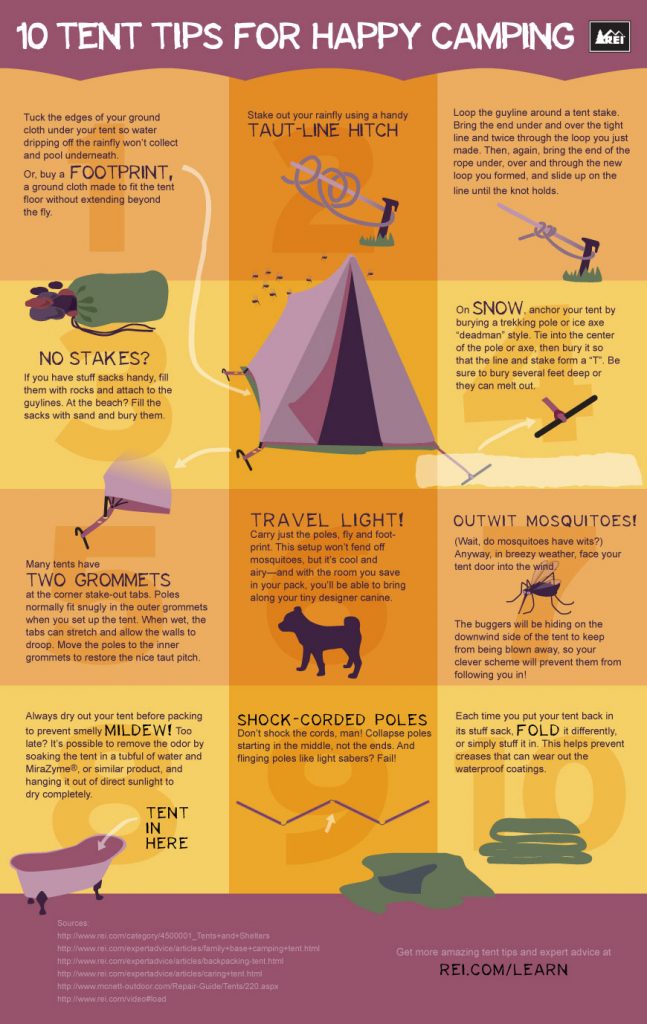
Constantly air dry your tent entirely prior to keeping it. Drying in direct sunshine for short periods is great, yet stay clear of extended UV exposure, which degrades both textile and coverings. Never store an outdoor tents while it perspires, as this invites mildew development that can completely break down water resistant layers.
Reapplying DWR Covering
When your outdoor tents is tidy and completely dry, reapplying a DWR therapy is easy. Products like Nikwax Tent and Equipment Solar Evidence or Equipment Help Revivex Durable Water Repellent can be found in spray-on or wash-in formulas. Spray-on variations offer you extra control and are ideal for rainflies, while wash-in products work better for treating whole textile panels.
Apply the treatment uniformly throughout all outer material surface areas, after that trigger it with mild warmth. A low-heat tumble clothes dryer for 10 to fifteen mins or a cozy iron with a cloth obstacle functions well. Heat bonds the DWR molecules back to the textile fibers, substantially improving toughness.
Securing and Fixing Joints
Joints are one of the most weak spots on any type of camping tent. Also factory-taped joints can lift or split after duplicated direct exposure to dampness and UV rays. Check all joints each year and use a seam sealer like McNett Joint Grip or Equipment Aid Joint Sealer wherever you observe gaps, peeling off tape, or thin places. Enable it to cure completely before folding the camping tent.
Storage Space Tips That Protect Waterproofing
Exactly how you save your outdoor tents between journeys matters tremendously. Stay clear of compressing it tightly in its stuff sack for months at a time, as constant compression worries finishes and produces fold lines where cracking starts. Shop your outdoor tents loosely in a large mesh bag or laid level in an awesome, completely dry, and dark area.
Constant care after every journey-- brushing off dust, drying entirely, and saving properly-- expands the life of water-proof materials drastically and maintains you completely dry for many years of journeys ahead.